Changes in Tanzania
Written on July 13th, 2026 by Ben Weber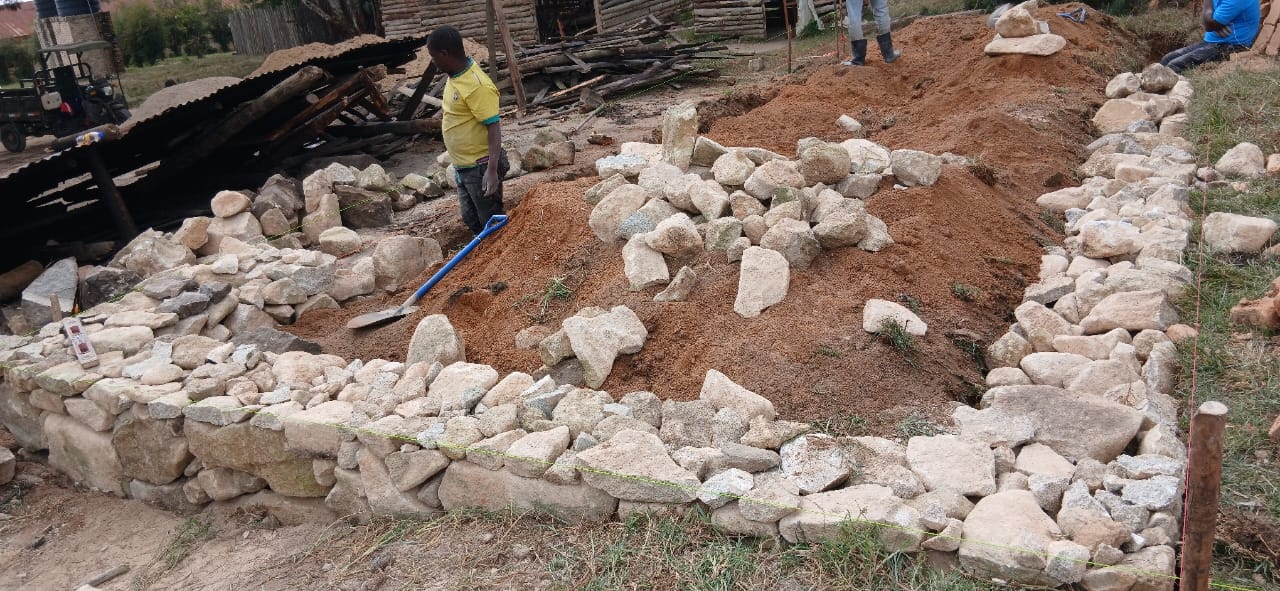
I remember being surprised by how many Tanzanians were following the United States presidential election in 2024. Often, they would ask me and my friends who we liked between Kamala Harris and Donald Trump. I felt awkward answering because they were big fans of Trump and I wasn’t. Also, in a way I’m here as a representative of the United States and wanted to be as apolitical as possible. Now, they are singing a different tune.
Like all nations, Tanzania has been affected by the energy crisis created by the Israeli and United States attacks on Iran. Tanzania does not have the oil reserves like United States and is much closer to the Straight of Hormuz than the United States. The last oil tankers arrived in Tanzania in late March, and the oil prices have been increasing ever since. The price of oil has now reached a price of 4000 shillings per liter which is equivalent to $5.80 per gallon. Before this crisis, the average price was 2800 shillings per liter which is equivalent to $3.86 per gallon. In April, I got a ride back into my village from my neighbor and shocked me when he said, “Fuck Donald Trump.” A quite different message to the praise and admiration of Donald Trump I had heard back in 2024.
Here in Tanzania, the highway infrastructure is not remotely close to the scale to that of the United States. Paved roads are mainly present in the main cities in each region and the main road between those cities, but travel to villages or remote destinations like the national parks are dirt roads. Unlike most people in United States, only a few Tanzanians have their own cars (typically those who live in the larger cities or have higher paying jobs). So, most Tanzanians typically travel on buses for long distance trips and on motorcycles or bajajis for shorter distances. There is also a large trucking industry in Tanzania which is reliant on oil.
I’m not confident how this energy crisis is impacting each Tanzanian, but I can reason two situations. The first group are the Tanzanians who do not work far away from their homes. These are people who own their businesses, work for another’s business, or are farmers. Farmers may work several miles from their homes, but often they do not drive or get rides to their farm. Additionally, many of these Tanzanians do not travel often and are not impacted by the increased priced of travel. However, they might feel the economic impact through increased priced of imported goods.
The other group of Tanzanians are the ones who work in transportation. These are jobs like motorcycle drivers, bajaji drivers, bus drivers and conductors, truck drivers, and those who rely on transportation to get to and from work. When I was in Dar es Salaam a few months ago, I used the ride share business, Bolt, to get around the city. The Bolt drivers told me that Bolt had not raised the prices on the application side in response to the energy crisis. So, the group of Tanzanians who work in transportation are being pinched by the increased prices of oil.
Since May, I have noticed the price of imported goods and travel increasing slowly as the energy criss remains unresolved. While I feel for those who are experiencing economic hardship from this energy crisis, I value having an international experience during these times to a non-American centric perspective.
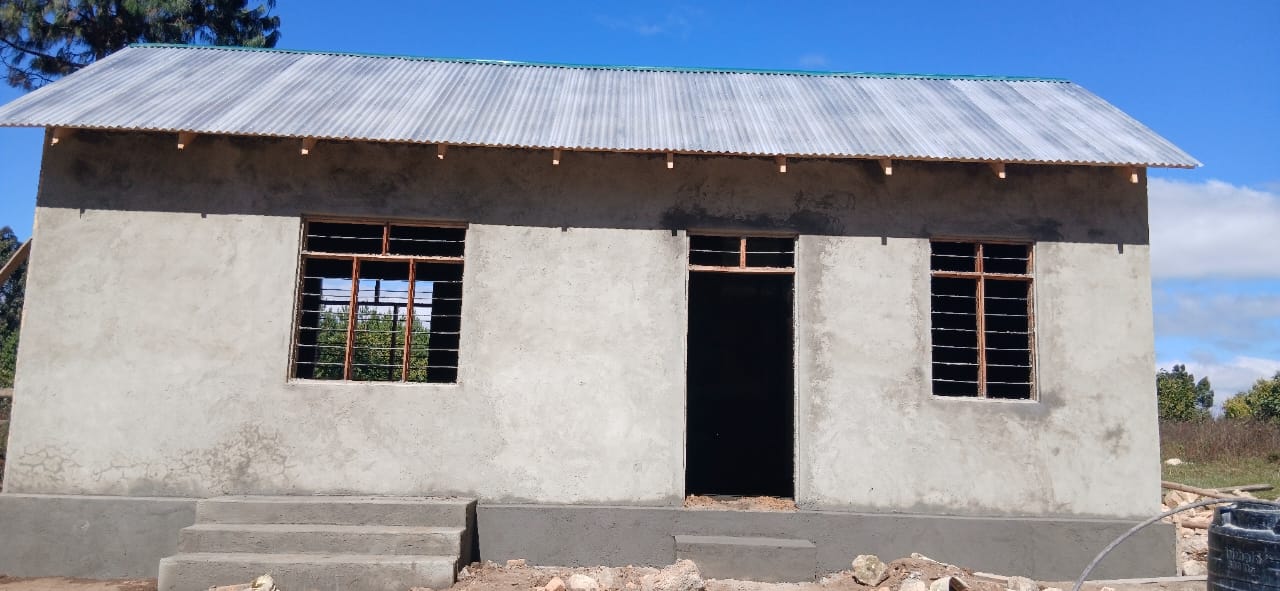
The image above is associated with the kitchen project I have been working on at my school. After receiving funding in mid-June, several people in the village came together to complete the construction in less than three weeks. I am working on collecting all the photos to share with y’all from the construction in June and will be making a blog post about my journey through this grant.