I Went To South Africa
Written on January 2nd , 2026 by Ben Weber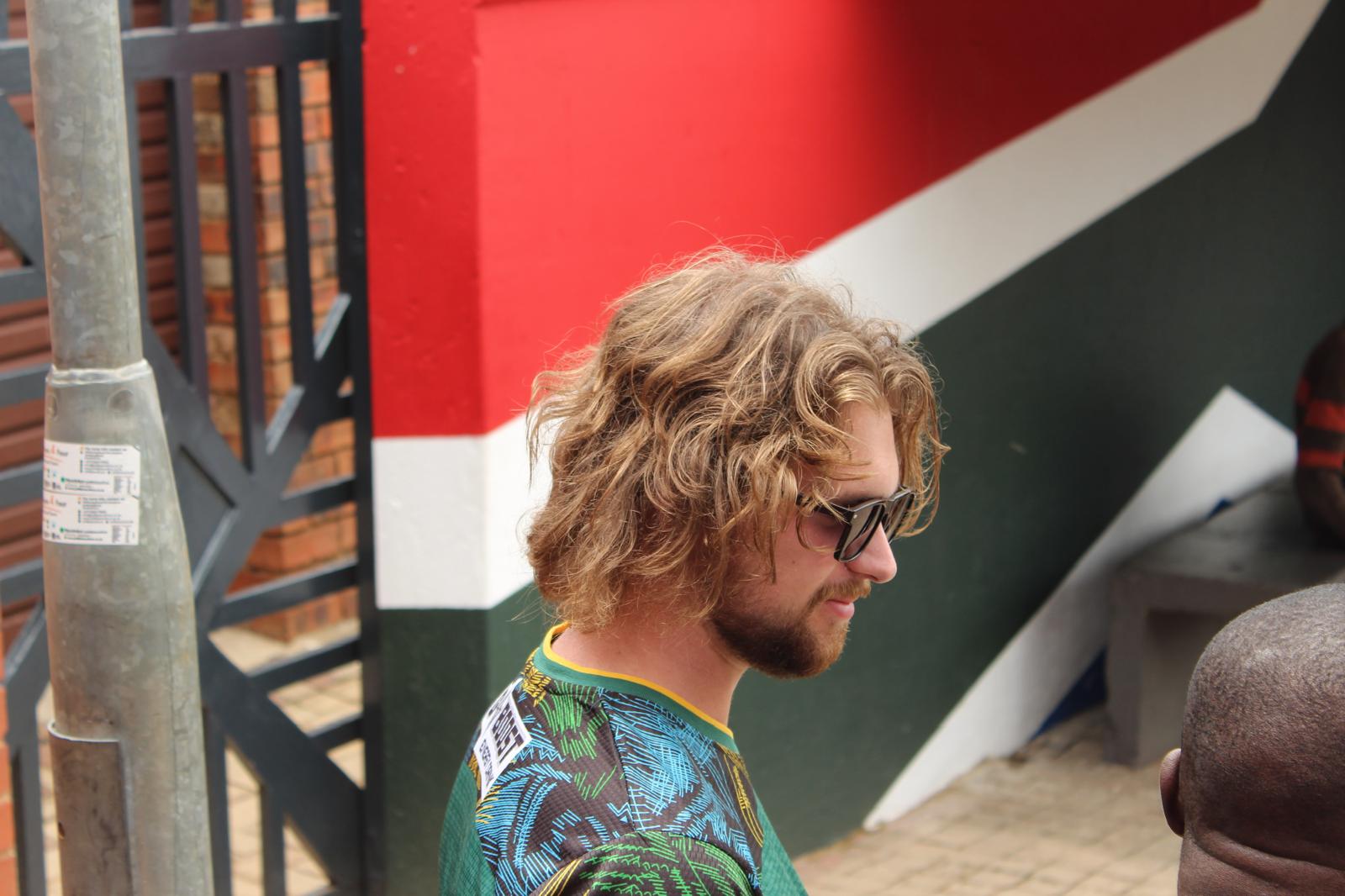
I went to South Africa and I’m conflicted about it.
This follows up the last post update about my evacuation from Tanzania and my travels in South Africa.
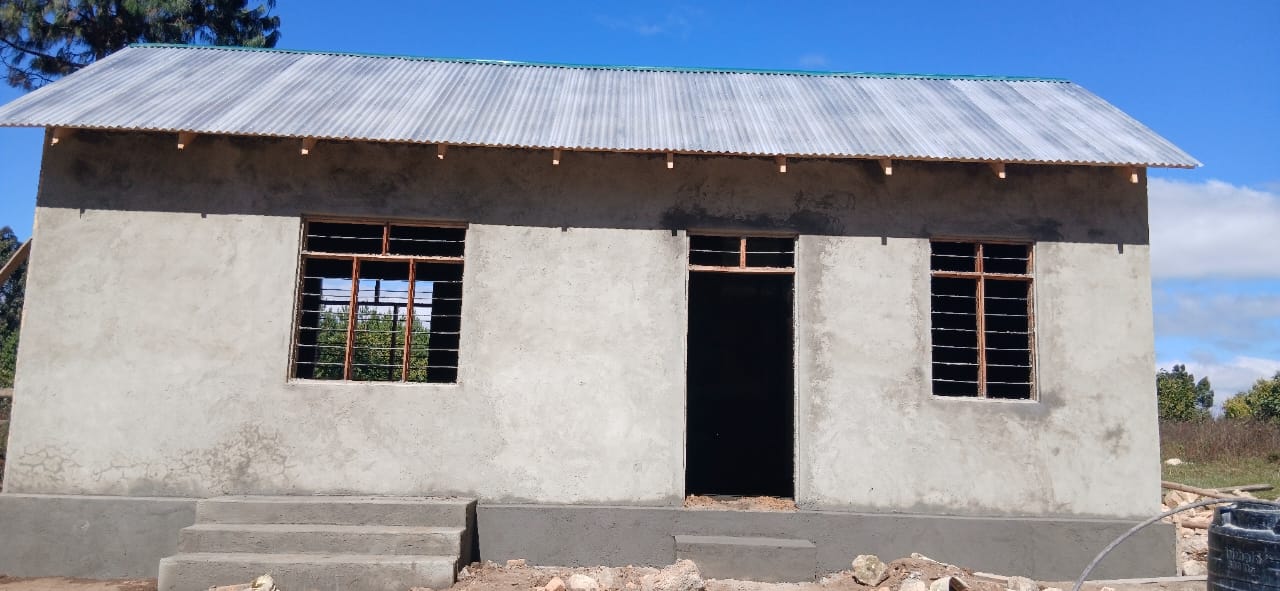
My last week in Tanzania before evacuation was quite rough. I’m told during the last week of November that I need to be in Dar Es Salaam by November 30th and prepared to travel to South Africa on December 2nd. A very short timeline to get all my things packed and close loose ends before evacuation. I had a hard time saying goodbye to my friends and neighbors in the village since it was very abrupt and I wasn’t allowed to tell them the truth about my travel. We were instructed to tell them we were going to Dar for training. Additionally, I had a very uncertain relationship with my neighbors since I had just called in Peace Corps to request them to change kitchens. I was not sure if that would harm our dynamic. I also could not say goodbye to many of my friends in person since many teachers had traveled to other schools in the area to help supervise exams. And lastly, if I was to leave Tanzania for good, I would have felt guilty for not completing my project after working with my village on it for months. I packed most of my things as if I were to be leaving the country, visited my friend’s village for Thanksgiving, and began the long 3-day journey to Dar Es Salaam.
As a glimpse into the public transportation here into Tanzania, the bus we took on the second day of travel broke down twice on the way from Iringa to Morogoro. This is one of the more inconsistent routes in the country but usually takes 6 to 8 hours. For us, we started around 1pm and finally arrived in Morogoro just after 11pm. My friends were quite distressed about the bus breaking down, but I was unbothered as it is widely known amongst my fellow volunteers that I am cursed and my public transportation experiences are notoriously unreliable. Many buses I have taken break down, get stuck in mud, or are just slow. My friends who had left Mafinga, a town two hours south of us, and departed that town around 2 hours after we had departed Iringa (nearly a 4-hour headstart) had arrived in Morogoro before our shabby bus did. Since Peace Corps told us to evacuate in a very short time span, we could not plan around the more reliable bus lines. Many of these reliable bus lines were booked from boarding school students heading home as the exams finished the week we were traveling to Dar.
Despite the long journey, we all made to Dar Es Salaam safely and had two very comfortable nights in one of the nicest hotels Dar Es Salaam has to offer. And on the morning of the 2nd, we departed to South Africa. The first week in South Africa was quite shocking and we were all a bit uneasy. We were all stunned by the development of South Africa compared to Tanzanian and filled with uncertainty about the future of our service. To my surprise, Pretoria, South Africa is somewhat like parts of America. The main thing to do in South Africa was to go to the mall. There were dozens of malls. For tea break, lunch, and dinner on the first few days we would walk to the mall closest to the Peace Corps office in South Africa. For other fun activities like trampoline parks, ice skating, bowling, games at an arcade, and shopping we would uber to a variety of malls. I could not believe how many malls there are in Pretoria and they were always busy. People in Pretoria love to go to the mall.
While we were enjoying the comforts of a more developed city, we all were patiently waiting for news to come from Tanzania about any protests on December 9th. I found it hard to be at peace in South Africa worrying about the safety of my friends in Tanzania. I was privileged enough to have the means to leave the country, but many of Tanzanian friends do not have the means. I felt turmoil because I wanted to return to Tanzania to complete my service but also want Tanzanians to have democracy in their country and have their voices heard. Strangely, December 9th was uncannily quite for Tanzania since the government had cancelled all parades for Independence Day and all Tanzanians stayed home. The streets were quiet and no one went to work. Since there weren’t any issues, we were approved to return to Tanzania the following week.
While in South Africa we took the time to enjoy the country like going to a rugby match, golfing, eating at fancy restaurants, and other comforts we had left behind in the states. I was grateful that the Peace Corps agency approved, paid for, and organized travel to three historically important sites in South Africa. We traveled to a museum called the Cradle of Humankind which displayed some ancient fossils and early human bone structures. I learned a lot about the racial history of South Africa at the apartheid museum and a trip through the southwest township (Soweto) where Mandela had lived.
After traveling to the apartheid museum and the township where Mandela had lived, I saw Pretoria in a different light. I do not recall learning much about apartheid in history classes in the US. My main exposure to apartheid was some movies and knowing that Trevor Noah had written a book about his lived experience (I have not read the book). The apartheid museum was very educational and detailed the history of South Africa from the early colonization days to the “end of apartheid” in the 1990’s. I’m not quite sure how to explain what I learned the apartheid museum and what I saw in the townships, but I remember leaving both the museum and the township with a sickening feeling.
I’ll do my best to share the things that I found important, but there was a lot that happened during the 50 years of apartheid rule. One of the early apartheid laws enacted in 1950 was the Population Registration Act which created the townships and racial segregation in South Africa, which still impacts South Africans today. The government created four arbitrary racial groups: Black, Coloured (mixed race), Indian, and White (sometimes referred to as Afrikaans). The government mandated that there was to be no racial mix between groups through laws and systems which displaced many people from their homes. Blacks had to live amongst Blacks, Coloureds amongst Coloureds, etc. Over the next twenty years there were several attempts by the oppressed groups to change this social structure while the authoritarian government continued to find new grotesque ways to oppress the people.
In 1976, there was a wave of secondary students protests in Soweto resisting the government’s mandate to have Afrikaans (Afrikaans is a language but is also used to referred to the white people in South Africa) as the only language of instruction. On June 16th the police opened fire on students peacefully protesting. This event stood out to me in several ways. As a secondary school teacher myself, I thought of my students who are the same age as the students who protested in 1976. And I thought of my mom who would’ve just turned 14 during this massacre. Many of the images taken throughout the apartheid regime were in black and white which I’ve often found myself interpreting black and white photos and time to be as much older than it is. Being able to use my mom’s age as a reference really helped me understand how recent the apartheid was.
After these tours it was clear to see how the impacts of apartheid still affect South Africa today. Only an hour away from the nice malls in Pretoria is Soweto where we saw a community of tin houses and porta-potties for bathrooms. The main streets of Soweto have become whitewashed for tourists to ogle at, but the living conditions remain unequal. The tour guide agency we used for Soweto worked for a children’s center for kids to learn and play games. All the proceeds from their tours went to funding the children’s center, which was a nice sentiment.
Another observation I had from this trip was the strangeness of Pretoria’s community. Our group was split into two different hotels in Pretoria, my group stayed at a wooden cabin type guest house and the other group stayed at a more modern home. The Peace Corps office was a 15-to-30-minute walk from the hotels and nearly every home or hotel or business we saw was gated in some fashion. The other groups’ hotel had a gate to get into the hotel and then a larger fence around the community with guards stationed at several security gates to get in and out. I found it quite annoying to navigate, with a vague feeling of being locked out or trapped inside depending on where I was. Quite different from what I’ve become accustomed to in Tanzania, where I walk through my neighbor’s courtyards freely on my way to and from school.
I believe that the abundance of gates is a result of the high crime rate present in South Africa and many home invasions in the past. I guess the gates provide a sense of security for the residents in Pretoria at the expense of a very pretty landscape and neighborhood. In my time here in Africa, I have met several South Africans (Afrikaans) in the Iringa region and have chatted with them about life. Through our conversations I got their viewpoint on the complex issues plaguing South Africa. From their descriptions, race continues to be at the center of everything in South Africa. Many have moved from South Africa to Tanzania and primarily farm. One girl is finishing high school online in Iringa and mentioned to me that college opportunities in South Africa for white people have become quite limited. Her tone was vaguely familiar to certain Americans complaining about DEI. Additionally, some Afrikaans believe the high murder rate in South Africa is mostly black people killing white people, which I don’t know is statistically true or not.
When I think back on my conversations with them and the history I learned at the apartheid museum, Afrikaans are stuck in a sticky situation. I don’t believe them to as well off as the Afrikaans I met in Pretoria, but they do have the means to relocate to a new country. However, that country is Tanzania which is not particularly expensive. At the apartheid museum I learned about poor whites who caught in the middle of the violence created through apartheid. Many people being killed in random acts of violence. In my very limited travel within South Africa, it’s a country that has a very complex history and is dealing with the repercussions today. It also is a very pretty country with many unique cultures to experience.
I am very glad that I had chance to visit South Africa. I don’t think I would’ve gone out of my way to visit Pretoria since it isn’t the destination vacation that Cape Town is. I am very thankful that I was able to have a good time with my friends. I am also grateful to remember the amenities and conveniences that I have forgotten about. I returned to Tanzania recharged after a nice vacation with friends and am excited to get into my second year of service. Photos from my travel are here.